BACK
BACK

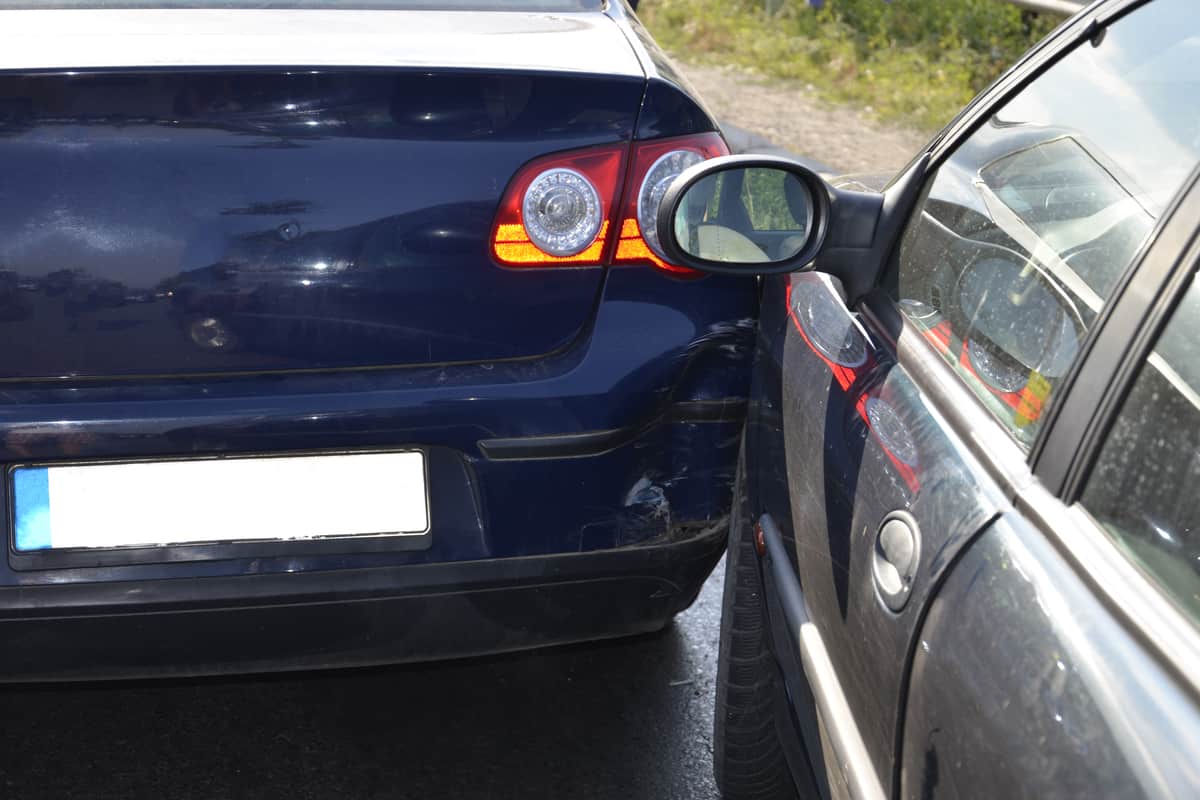
An at-fault car accident can leave you with repair bills and other unexpected costs. You may also be worried about one more thing: will your car insurance go up?
An accident insurance increase is possible, but there is no set amount. Your insurance company may consider the accident, the cost of the claim, your driving record, and your policy when setting your new rate.
Knowing what can affect your rate can help you better understand what to expect after an accident.
Does an At-Fault Accident Increase Your Car Insurance in Louisiana?
Yes, your car insurance can go up after an at-fault accident. If your insurer decides you caused the crash, it may see you as a higher-risk driver when setting your future rate.
Each driver’s increase is different. Your insurer may look at:
- How serious the accident was
- Whether anyone was hurt
- How much the insurance company paid
- Your driving record
- Your insurance company’s rules
- Whether you have accident forgiveness
A small crash with little damage may have less effect on your rate than a serious crash with injuries or major damage.
How Much Does Insurance Go Up After an At-Fault Accident?
There is no set dollar amount or percentage for every driver. Each insurance company has its own rules for deciding how an accident affects your rate.
Your increase may depend on:
|
Factor |
What it means for your rate |
| Accident severity | A serious crash may have a bigger effect |
| Claim amount | A larger payout may lead to a higher rate |
| Driving history | Past tickets or accidents can affect your rate |
| Insurance company rules | Each insurer uses its own rating rules |
| Accident forgiveness | Some qualifying drivers may avoid certain increases |
For example, someone with a clean driving record may see a different increase than a driver with several accidents or tickets.
How Long Does an At-Fault Accident Affect Car Insurance Rates?
An at-fault accident can affect your insurance rates for several years. How long it affects your rate depends on your insurer, state rules, and your policy.
When you renew your policy, your insurer may look at:
- Past accidents and claims
- Your driving record
- Recent traffic violations
- Other changes that affect your risk
The effect of an accident may become smaller over time if you keep a clean driving record. You can also compare rates from other insurers when your policy comes up for renewal.
What Happens After an At-Fault Accident in Louisiana?
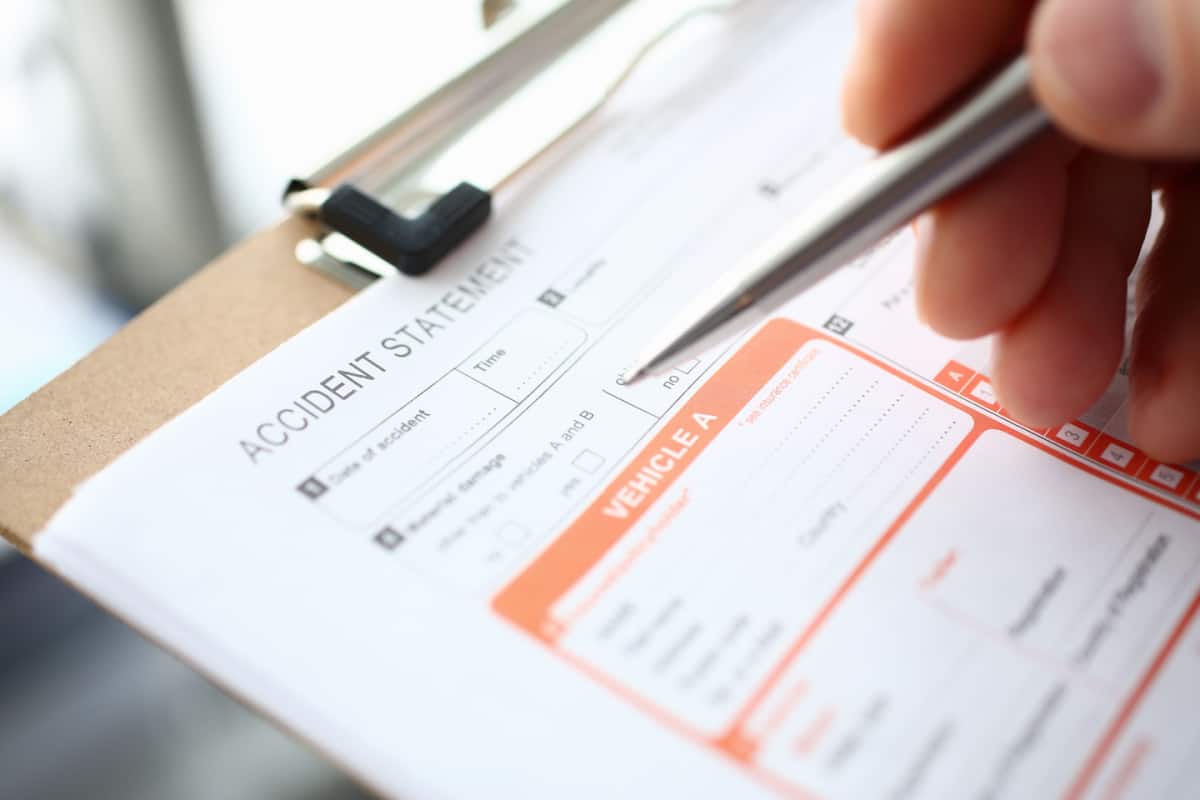
After you report the accident, your insurance company will look into what happened and review any claims.
The process may include:
- You report the accident to your insurer.
- The insurer reviews the crash and available evidence.
- It reviews vehicle damage and injury claims.
- The claim is handled through payment, repairs, or settlement talks.
- Your insurer reviews your rate when you renew your policy.
Louisiana uses comparative fault rules. This means more than one person can share the blame for an accident. Each person can be given a percentage of fault, which can affect how much they can recover for their losses.
Can You Avoid an Insurance Increase After an At-Fault Accident?
There is no guaranteed way to keep your rate from going up after an at-fault accident. But you can check a few things.
You can:
- See if your policy includes accident forgiveness.
- Keep a clean driving record after the accident.
- Review your coverage before renewal.
- Compare rates from other insurance companies.
- Ask your insurer whether you need to file a claim.
Follow your policy’s rules when reporting an accident. If you must report a crash and don’t, it could affect your coverage.
When Should You Talk to a Louisiana Car Accident Lawyer?
You may not need a lawyer after every accident. It may be worth getting legal advice when the crash involves serious injuries, a fight over who was at fault, or an insurance dispute.
Consider talking to a Louisiana car accident lawyer if:
- Another driver says you caused the crash.
- Someone was seriously hurt.
- The insurance companies disagree about fault.
- The settlement does not cover your losses.
- More than one person may be responsible.
A lawyer can look at what happened, explain your rights, and help you deal with an insurance dispute under Louisiana law.
Frequently Asked Questions
Will my insurance go up after my first at-fault accident?
It can. The increase depends on your insurer, the accident, the claim amount, and your driving history. Accident forgiveness may also apply.
If a car accident is not your fault, does your insurance go up?
In Louisiana, your insurance generally should not go up just because you were involved in an accident that was not your fault. However, your insurer may still consider other factors, such as your driving and claims history, when setting your rate.
How can I prove I was not fully at fault in Louisiana?
Police reports, photos, witness statements, and other accident records can help show what happened and how much fault each person had.
Can I switch insurance companies after an at-fault accident?
Yes. You can usually shop for a new policy after an accident. Keep in mind that a new insurer may still consider the accident when setting your rate.
Does accident forgiveness prevent an insurance increase?
It can for some drivers. Certain policies protect eligible drivers from some rate increases after a qualifying accident. Check your policy to see if you qualify.
Should I pay for minor accident damage instead of filing a claim?
It depends on the repair cost, your policy, and whether you must report the accident. Check these details before deciding to pay out of pocket.
Conclusion
After an accident, the other driver’s insurance company may contact you and ask questions about what happened, your injuries, and your medical treatment. Keep in mind that the adjuster works for the insurance company, not for you.
If you are dealing with injuries, medical bills, or lost income, it can help to have a lawyer on your side. An experienced personal injury attorney can protect your rights and deal with the insurance company for you.
Contact an experienced personal injury attorney for a free consultation to discuss your case and your legal options.