BACK

If you used Zantac and later developed cancer, you may wonder if you can file a lawsuit. Your options depend on your medical history, the evidence, and recent court decisions.
In April 2020, the FDA asked companies to remove older Zantac products containing ranitidine because of concerns about NDMA, a chemical that may cause cancer.
In this guide, learn why Zantac lawsuits were filed, which cancers have been claimed, what evidence you may need, and how recent court rulings and filing deadlines could affect your case.
Why Were Zantac Lawsuits Filed?
Zantac was a popular medicine for heartburn, acid reflux, and other stomach problems. The older version contained ranitidine, which helps reduce stomach acid.
In April 2020, the FDA asked companies to remove ranitidine products from the market because of concerns about NDMA levels. The chemical is classified as a probable human carcinogen, meaning it may cause cancer.
People who developed cancer after using ranitidine sued the companies that made the drug. They argued that the companies should have addressed the risk and warned consumers.
However, a lawsuit is an allegation, not proof that Zantac caused someone’s cancer. A person bringing a claim must have evidence to support it.
Is Zantac Linked to Non-Hodgkin’s Lymphoma?
Non-Hodgkin’s lymphoma is a type of cancer that affects the lymphatic system, which helps the body fight infections.
Some Zantac lawsuits claim ranitidine use led to lymphoma and other cancers. However, taking Zantac before being diagnosed does not prove that the drug caused the disease.
Studies have examined whether ranitidine use is linked to cancer, but the evidence has been disputed in court. A claim generally needs reliable scientific evidence that the drug can cause the cancer involved, along with evidence linking the person’s drug use to their illness.
If you have lymphoma, talk with your doctor about your diagnosis and possible causes rather than assuming Zantac was responsible.
What Cancers Have Been Named in Zantac Lawsuits?
Zantac lawsuits have included claims involving several types of cancer.
|
Cancer type |
Role in Zantac lawsuits |
| Bladder cancer | Named in some claims |
| Stomach cancer | Included in some claims |
| Liver cancer | Named in certain cases |
| Pancreatic cancer | Included in some lawsuits |
| Non-Hodgkin’s lymphoma | Named in some claims |
| Other cancers | Raised in certain cases |
These are cancers named in lawsuits, not cancers proven to be caused by Zantac. Whether a claim can move forward depends on the evidence, the law, and the case’s status.
Can You Still Sue Over Zantac in 2026?
Whether you can file a Zantac lawsuit depends on your case, the evidence, and the legal deadline.
In July 2025, the Delaware Supreme Court overturned a ruling that allowed certain expert evidence linking ranitidine to cancer. In April 2026, the Delaware Superior Court ruled against plaintiffs in a large group of cases because they did not provide enough evidence that ranitidine could cause the cancers they claimed.
These decisions make some Zantac claims harder to pursue. A lawyer can explain how the rulings and filing deadlines may affect your case.
What Evidence Might You Need?
You may need proof that you used Zantac and were later diagnosed with cancer.
Useful records may include:
- Prescription records: Show when you received the medicine.
- Medical records: Document your treatment and medication history.
- Receipts or insurance records: Show that you purchased the drug.
- Cancer records: Confirm your diagnosis and treatment.
- Medication history: Details about the product, dose, and how long you took it.
If you no longer have these records, other documents may help. However, proving you used Zantac does not prove it caused your cancer. A drug injury attorney can review your records and explain your options.
Does How Long You Took Zantac Matter?
Yes. How often you took ranitidine and how long you used it may matter when a lawyer reviews your case.
There is no universal rule that taking Zantac for three months automatically qualifies you to file a cancer lawsuit. Other details matter, including the product you used, when you took it, your cancer diagnosis, and the available scientific evidence.
Long-term use alone does not prove that Zantac caused cancer.
Is Zantac 360° the Same as the Original Zantac?
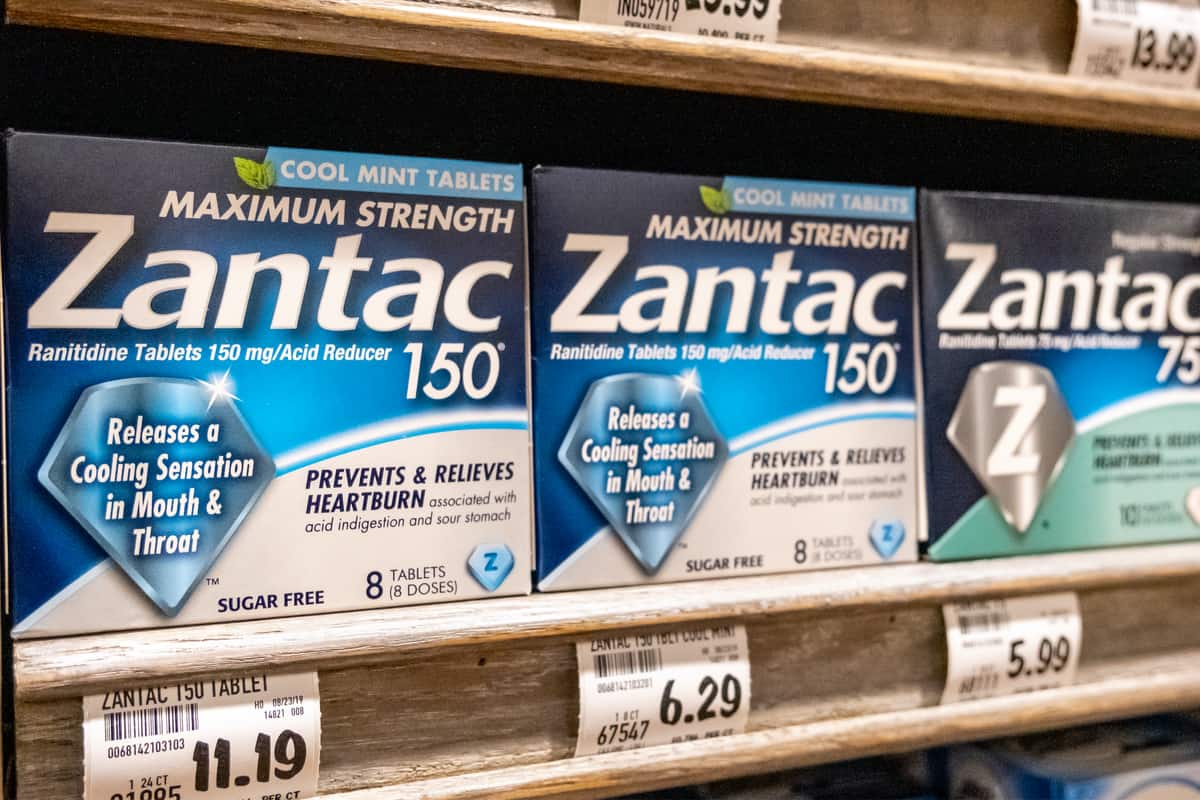
No. Older Zantac products contained ranitidine, while Zantac 360° contains famotidine, a different drug. This matters when reviewing your medication history. The brand name alone may not tell you which medicine you took.
In November 2025, the FDA also approved reformulated ranitidine tablets after reviewing additional safety information. If you are considering a claim, check the product’s active ingredient and the dates you used it.
What Should You Do Before Contacting a Zantac Lawyer?
If you took ranitidine and later developed cancer, gather any records you still have.
- Look for pharmacy records, prescriptions, receipts, or insurance statements.
- Check which medicine you took and when.
- Write down how often you took it and for how long.
- Collect your cancer diagnosis and treatment records.
- Ask a lawyer about filing deadlines and recent court decisions.
In Louisiana, the deadline may depend on when the injury occurred, when you learned important facts, and the type of claim. A cancer diagnosis or drug recall does not automatically restart the deadline.
Frequently Asked Questions
Can I sue Zantac after a lymphoma diagnosis?
A lawyer can review your situation, but a lymphoma diagnosis and past Zantac use do not automatically prove you have a valid claim.
Has Zantac been proven to cause lymphoma?
A causal link has not been established for every claimed exposure. Courts have rejected important scientific evidence used to support some Zantac cancer lawsuits.
Can I file without prescription records?
Other records may help show that you used the drug. You will still need evidence to support your claim.
Can I still file a Zantac lawsuit in 2026?
It depends on the filing deadline, applicable law, available evidence, and the current status of litigation.
Does Zantac 360° fall under the original lawsuits?
Zantac 360° contains famotidine, not ranitidine. Check your medication records to confirm which drug you used.
Speak With a Louisiana Drug Injury Attorney
Zantac lawsuits have changed since the FDA’s 2020 request to remove older ranitidine products. Recent court decisions have also affected the evidence needed to support cancer claims.
If you used ranitidine and later developed cancer, a lawyer can review your records, explain the legal issues, and discuss your options. Contact Allan Berger & Associates, P.L.C. to discuss your legal options.