BACK

Yes, peanut butter can cause Salmonella food poisoning if harmful bacteria get into it during production. Peanut butter may look, smell, and taste normal even when it is unsafe to eat.
Salmonella can cause diarrhea, fever, stomach pain, nausea, and vomiting. Symptoms usually start within six hours to six days after eating contaminated food.
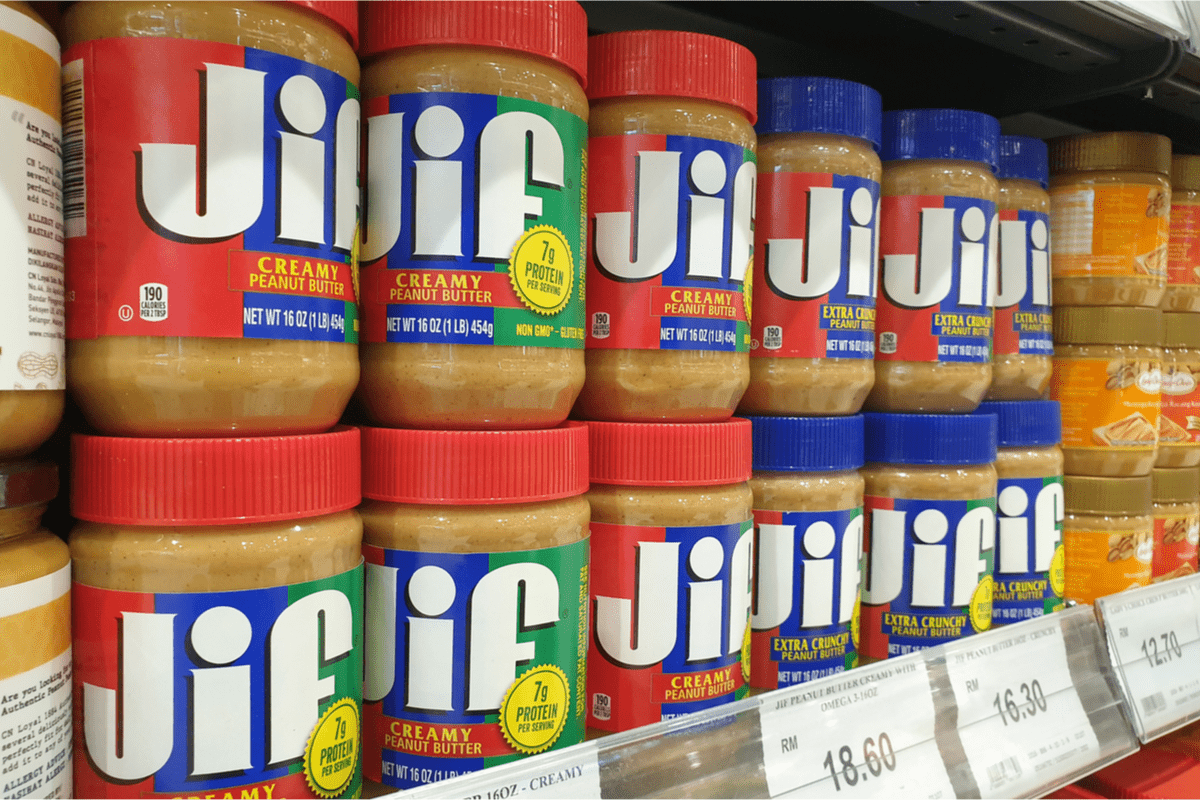
In 2022, certain Jif peanut butter products were linked to a Salmonella outbreak that made people sick across several states.
This guide explains how peanut butter can become contaminated, what symptoms to look for, and what to do if you think you have food poisoning.
How Can Peanut Butter Cause Salmonella Poisoning?
Peanut butter contains very little water. This makes it harder for many bacteria to grow, but it doesn’t mean the product is free of harmful bacteria.
Salmonella can survive in peanut butter even when the bacteria cannot grow or multiply easily. If someone eats the product and the bacteria are present, they can still cause an infection.
Peanut butter can become contaminated in several ways:
- Improperly cleaned manufacturing equipment.
- Contaminated ingredients.
- Poor sanitation during processing.
- Cross-contamination after heating or roasting.
- Unsafe handling during production.
The FDA explains that Salmonella can become more heat-resistant in low-moisture foods, including peanut butter. This is why controlling contamination during manufacturing is important.
What Happened During the Jif Peanut Butter Salmonella Outbreak?
In 2022, certain Jif peanut butter products were linked to a Salmonella outbreak. The products were made at a Lexington, Kentucky, plant. According to the CDC, 21 people became ill across 17 states, and four were hospitalized. The investigation ended in July 2022.
The outbreak led to a recall of affected Jif peanut butter products. People who had bought the recalled products were advised not to eat them.
For more details about the affected products and recall, see our guide to the Jif Peanut Butter Recall.
What Are the Symptoms of Peanut Butter Food Poisoning?
Salmonella infection can cause digestive problems and other symptoms, including:
- Diarrhea, sometimes with blood.
- Stomach cramps.
- Fever.
- Nausea and vomiting.
- Headaches.
- Loss of appetite.
Symptoms usually begin six hours to six days after infection. Most people recover within four to seven days, but some take longer.
|
Symptom |
What to know |
| Diarrhea | Can cause fluid loss. |
| Fever | May occur along with stomach symptoms. |
| Stomach cramps | Can range from mild to severe. |
| Vomiting | Can increase the risk of dehydration. |
| Bloody diarrhea | Needs prompt medical attention. |
| Dehydration | Can be dangerous, especially for young children and older adults. |
Not every case of stomach upset after eating peanut butter is caused by Salmonella. A healthcare provider may recommend testing to find the cause.
Who Faces Greater Risks From Salmonella Infection?
Salmonella can affect anyone, but some people are more likely to develop serious complications.
These include:
- Children under five.
- Adults aged 65 and older.
- People with weakened immune systems.
- People with certain underlying health conditions.
In severe cases, the infection can spread beyond the intestines and require hospital treatment.
When Should You See a Doctor for Suspected Salmonella?
Contact a healthcare provider if you have bloody diarrhea, diarrhea lasting more than two days, a fever above 102°F, or signs of dehydration.
Dehydration happens when your body loses more fluid than it takes in. You may notice that you urinate less often, your urine looks dark, your mouth feels dry, or you feel dizzy.
Seek medical help promptly if your symptoms are severe or worsening. A healthcare provider may test a stool sample to check for Salmonella.
You can also read the CDC’s guidance on Salmonella symptoms to learn more about the infection and when to seek care.
How Can You Reduce the Risk of Peanut Butter Food Poisoning?
You cannot tell if peanut butter contains Salmonella just by looking at it or smelling it. These simple steps can help you avoid unsafe products:
- Check food recalls: Look for FDA warnings about peanut butter products.
- Do not eat recalled peanut butter: Even if it looks normal, do not taste it to see if it is safe. Follow the instructions for returning or throwing it away.
- Clean utensils and surfaces: Wash anything that may have touched contaminated food.
- Follow storage instructions: Store peanut butter as directed on the package. This helps keep it in good condition, but it will not kill Salmonella already in the product.
If you learn your peanut butter has been recalled, keep it away from other food and follow the official disposal instructions.
What Should You Do If You Think Peanut Butter Made You Sick?
If you feel sick after eating peanut butter, seek medical care if your symptoms are severe or do not improve. If you still have the packaging, keep it to check the brand and lot number.
You should also:
- Write down when you ate the peanut butter and when you started feeling sick.
- Keep your medical bills and test results.
- Report suspected food poisoning to your local health department.
If the product has been recalled, follow the official instructions for disposing of it. Do not leave it where someone else might eat it by mistake.
Keeping these details may also help you work out which product caused the illness.
Can You Seek Compensation for Salmonella Food Poisoning?
If contaminated peanut butter caused your illness, you may be able to seek compensation from a company that was legally responsible for the unsafe product.
Depending on the circumstances, a claim may cover medical bills, lost wages, and pain and suffering. However, getting sick after eating peanut butter does not automatically mean the manufacturer is legally responsible.
You may need medical records, product details, and evidence linking the food to your infection. The facts of the case will help determine whether you have a claim.
Frequently Asked Questions
Can you get Salmonella from peanut butter?
Yes. If peanut butter contains Salmonella, eating it can make you sick. The product may still look and smell normal.
How long does it take to get sick from peanut butter?
Salmonella symptoms usually start six hours to six days after you eat contaminated food.
Can peanut butter contain Salmonella without smelling bad?
Yes. Contaminated peanut butter may look, smell, and taste normal. You cannot tell if it is safe by checking it at home.
Does putting peanut butter in the fridge kill Salmonella?
No. Refrigeration does not reliably kill Salmonella already present in peanut butter. If the product has been recalled, do not eat it.
Can peanut butter food poisoning lead to hospitalization?
Yes. Serious Salmonella infections can cause severe dehydration or other health problems that need hospital care. Young children, older adults, and people with weak immune systems face a greater risk.
Understanding Your Options After Food Poisoning
Food poisoning can lead to medical bills and missed work, especially when symptoms are severe.
If you believe contaminated food caused your illness, seek medical care and keep records related to your illness and the product.
A lawyer at Allan Berger & Associates, P.L.C. can review your case and explain whether you may have a claim against the manufacturer or another responsible party.
Call 504-526-2222 or contact the firm online.