BACK
BACK

Interstate 10 (I-10) is one of Louisiana’s busiest highways, connecting major cities such as Lake Charles, Lafayette, Baton Rouge, and New Orleans.
Thousands of drivers use I-10 every day, including commuters, families, and commercial truck drivers. With heavy traffic, high speeds, and large commercial vehicles sharing the road, crashes on I-10 can lead to serious injuries.
Driver behavior is one cause of crashes, but it is not the only one. Weather, traffic, road conditions, and other drivers’ actions can also play a role.
Why Is I-10 Considered Dangerous in Louisiana?
Several conditions can make a crash more likely, especially when they happen at the same time. Heavy traffic can leave drivers with less time to react to sudden stops or lane changes. Long-distance truck traffic adds another concern because large vehicles need more space and time to slow down.
Other common factors include:
- Speeding or unsafe lane changes
- Distracted or impaired driving
- Driver fatigue
- Construction and changing traffic patterns
- Heavy congestion around major cities
A crash is not always caused by one thing. Traffic, weather, road conditions, and driver behavior may all need to be considered when determining what happened.
Common Types of Crashes That Happen Here
Because it carries different types of vehicles at high speeds, several types of crashes occur frequently.
|
Accident Type |
Common Causes |
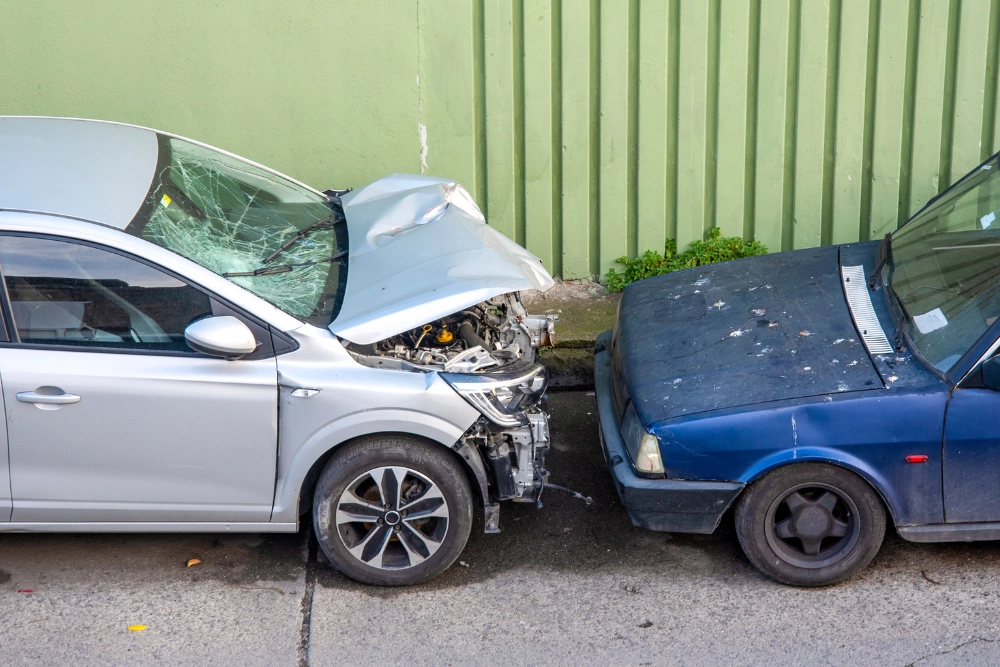
| Rear-end crashes | Sudden braking, distracted driving, following too closely |
| Truck accidents | Large vehicle size, blind spots, fatigue, unsafe driving |
| Multi-vehicle crashes | Traffic congestion and chain reactions |
| Lane-change accidents | Unsafe merging and limited reaction time |
| Weather-related crashes | Rain, flooding, and reduced visibility |
Which Parts of the Route Can Be More Difficult to Drive?
Some stretches can be more challenging because of congestion, construction, merging traffic, or limited room for drivers to react.
I-10 Through New Orleans
I-10 through New Orleans carries heavy commuter, truck, and tourist traffic. Frequent merging, congestion, and sudden slowdowns can make this stretch difficult to navigate.
I-10 Near Baton Rouge
Traffic volume and construction can cause lane changes and shifting traffic patterns. Drivers may have less time to react when congestion builds.
Elevated and Bridge Sections
Some parts of I-10 have elevated or bridge sections with limited space to stop or move away from traffic. Poor weather and reduced visibility can make these areas harder to navigate.
What Makes I-10 Accidents Different From Other Highway Crashes?
I-10 accidents often involve more than a simple collision between two vehicles.
Factors that can make these crashes more complicated include:
- Multiple vehicles involved
- Commercial trucks
- Serious injuries
- Conflicting versions of how the crash happened
- Questions about road conditions or vehicle maintenance
Determining what caused the accident may require reviewing crash reports, vehicle records, witness statements, and other evidence.
How Road Conditions May Contribute
Driver behavior is not the only factor behind highway accidents. Road conditions can also play a role.
Examples include:
- Poorly marked construction areas
- Damaged pavement
- Limited visibility
- Unsafe highway design
- Inadequate warning signs
Road hazards can make it harder for drivers to react quickly, especially when traveling at highway speeds.
In some cases, responsibility may involve more than one party. A careful investigation can help determine what factors contributed to the crash.
A highway accident investigation often looks beyond the vehicles involved and considers whether road conditions, maintenance issues, or other factors played a role.
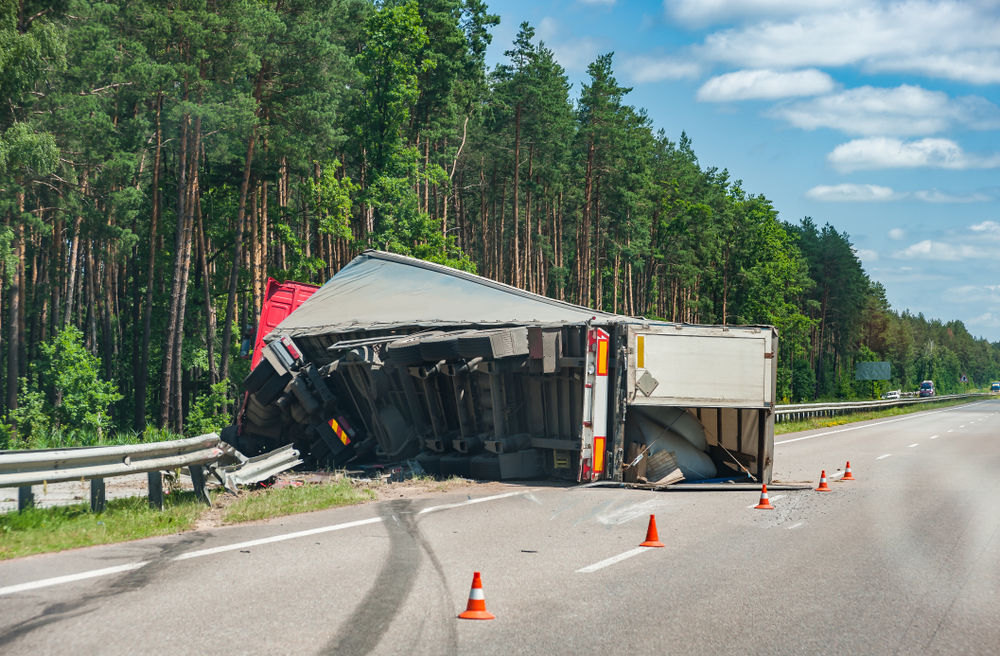
Why Truck Crashes Can Be More Serious
The size and weight difference between a commercial truck and a passenger vehicle can make these collisions especially severe.
A truck crash may also raise questions beyond the driver’s actions. Investigators may need to examine driver hours, vehicle maintenance, cargo loading, or company safety practices.
Depending on the circumstances, potentially responsible parties could include the driver, trucking company, maintenance provider, cargo company, or vehicle manufacturer.
Frequently Asked Questions
Why do so many crashes happen on this interstate?
Heavy traffic, high speeds, congestion, distracted driving, unsafe lane changes, commercial vehicles, and changing road conditions can all contribute.
Are truck crashes more dangerous than car crashes?
They can be. Commercial trucks are much larger and heavier than passenger vehicles, so a collision may cause more severe damage and injuries.
Can poor road conditions contribute to a crash?
Yes. Construction problems, damaged pavement, poor markings, inadequate warnings, and other roadway conditions may contribute to a collision.
Why can a highway crash be difficult to investigate?
There may be several vehicles, witnesses, possible causes, and different accounts of what happened. Commercial vehicles can also involve company records and maintenance information.
Conclusion
I-10 is an important transportation route through Louisiana, but heavy traffic, high speeds, and commercial vehicle activity can make accidents especially serious.
Understanding why crashes happen can help drivers stay aware of potential risks. When an accident occurs, determining the cause requires looking at all possible factors, including driver actions, vehicle issues, and road conditions.
Allan Berger & Associates, P.L.C. helps injured drivers understand their options after serious highway accidents in Louisiana. If you have questions about a crash, contacting an experienced legal team can help you understand the next steps.