BACK
BACK
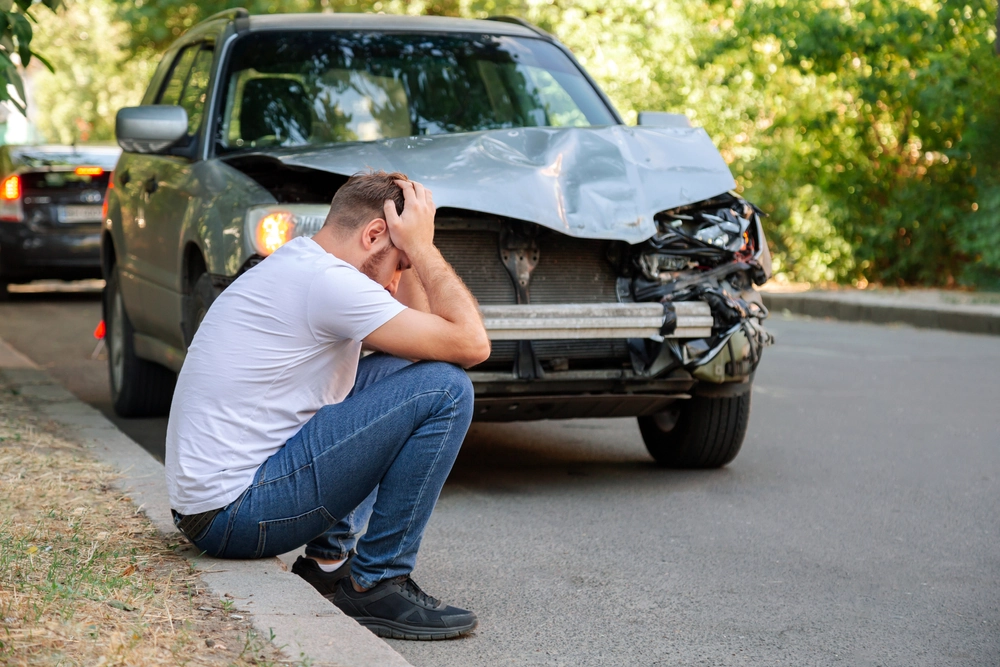
For nearly forty years, a New Orleans driver who bore most of the blame for a wreck could still collect something. Louisiana’s pure comparative fault system reduced the award by the driver’s share and paid the rest. That ended on January 1, 2026. A claimant found 51 percent or more at fault now recovers nothing, which turns every percentage point into money and turns the fight over those percentages into the center of the case.
Civil Code article 2323, as amended by Acts 2025, No. 15, bars recovery entirely for a claimant found 51 percent or more at fault in causing their own damages. Fault below that threshold reduces the award proportionally. The judge or jury still assigns a percentage to every party who contributed, and in a jury trial the jurors must be told that a plaintiff at 51 percent or more takes nothing.
What The 51 Percent Rule Replaced, And When It Took Effect
Louisiana used pure comparative fault from 1980 through 2025. Under that system, fault reduced a person’s payment but did not block recovery. Someone found 75% responsible could still collect 25% of the damages.
Act 15 of 2025, first introduced as House Bill 431, took effect on January 1, 2026. It changed Civil Code Article 2323 and now blocks recovery when the injured person is 51% or more at fault.
The law also changed what juries are told. When fault is left to a jury, jurors must be informed that reaching 51% means the injured person receives nothing.
Crashes before January 1, 2026, still follow the former rule. That makes the date of the incident one of the first facts to check.
Who Actually Decides Fault After A New Orleans Crash
Fault may be discussed by the police officer, the insurance company, and the court. However, each one plays a different role.
The officer prepares the crash report and may give one or more drivers a ticket. A citation can be useful evidence, but it does not decide who is legally responsible for the crash.
The insurance adjuster makes a separate decision for the claim. That decision affects the settlement offer. For example, an insurer may argue that both drivers were equally at fault and reduce its offer by 50%.
Only a judge or jury can make the final legal decision. Under Louisiana Code of Civil Procedure Article 1732, a person may generally request a jury when the value of the claim is more than $10,000. The limit was lowered from $50,000 in 2020.

The Factors A Louisiana Court Weighs When Assigning Percentages
Louisiana courts do not assign fault based on a guess. They use factors from the Louisiana Supreme Court’s decision in Watson v. State Farm.
The court looks at whether the person understood the danger, how much risk the conduct created, why the person acted that way, and whether any urgent circumstances affected the decision.
It also considers how closely the conduct was tied to the crash and injuries. Looking at a phone and speeding through a red light may both be careless, but they do not carry the same level of fault.
| Claimant’s fault | Damages proven | Recovery before 2026 | Recovery on or after Jan. 1, 2026 |
| 20% | $200,000 | $160,000 | $160,000 |
| 40% | $200,000 | $120,000 | $120,000 |
| 50% | $200,000 | $100,000 | $100,000 |
| 51% | $200,000 | $98,000 | $0 |
| 70% | $200,000 | $60,000 | $0 |

Where The Argument Actually Happens In A New Orleans Case
Fault is decided through evidence, and some of that proof may not last long. Traffic camera footage and nearby business video can be deleted quickly. A totaled vehicle may also be sold or crushed before its data is collected.
Many vehicles record speed, braking, throttle use, seat belt status, and airbag activity around the time of a crash. Photos, witness statements, phone records, and vehicle damage may also help show what happened.
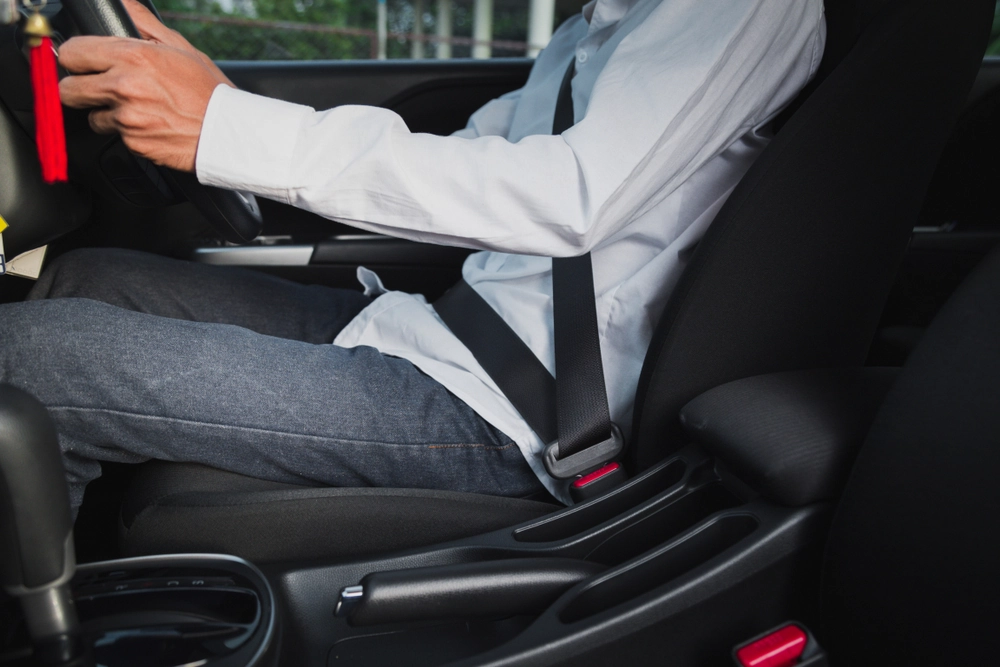
Insurance companies may argue that the injured driver was speeding, faced a sudden emergency, or was not wearing a seat belt. Louisiana removed its former restriction on using adult seat belt non-use in civil cases in 2021, so the issue may now become part of the fault dispute.
Louisiana also generally requires each person or company to pay only its own share of fault in a non-intentional case. In a multi-vehicle crash, the percentages assigned to each driver can affect how much money is available from each defendant.
Frequently Asked Questions
If I was 50 percent at fault, do I get half?
Yes. At exactly 50 percent, you remain below the bar and recover half of your proven damages. The bar begins at 51 percent.
Can the adjuster decide I was 51 percent at fault?
An adjuster can take that position and refuse to pay, but that determination is not binding. Only a judge or jury makes an allocation with legal effect, which is why an unreasonable liability call is a reason to file suit rather than to walk away.
What if more than one other driver was involved?
Fault is allocated among everyone who contributed, including parties who were not sued. A second defendant’s share can pull your number below the threshold.
Does the rule apply to passengers?
Passengers usually do not share fault for causing a crash. Still, an insurer may question seat belt use or other conduct that increased the injuries.
Why Acting Early Matters
The Watson factors still guide how fault is divided. Judges and juries still look at camera footage, vehicle data, witness accounts, and each driver’s actions. The major change is what happens at 51%. A percentage that once reduced payment can now end the claim.
When fault is disputed, early investigation matters. Allan Berger & Associates can send preservation notices, secure available evidence, and confirm which rule applies based on the crash date. The firm has handled New Orleans car accident claims for close to fifty years, and consultations are free.
Sources
- Justia — Louisiana Civil Code art. 2323, Comparative fault
- Justia — Watson v. State Farm Fire & Cas. Ins. Co., 469 So.2d 967 (La. 1985)
- Louisiana State Legislature — Acts 2025, No. 15 (HB 431), modified comparative fault
- Justia — La. Code Civ. Proc. art. 1732, Limitation upon jury trials