BACK
BACK
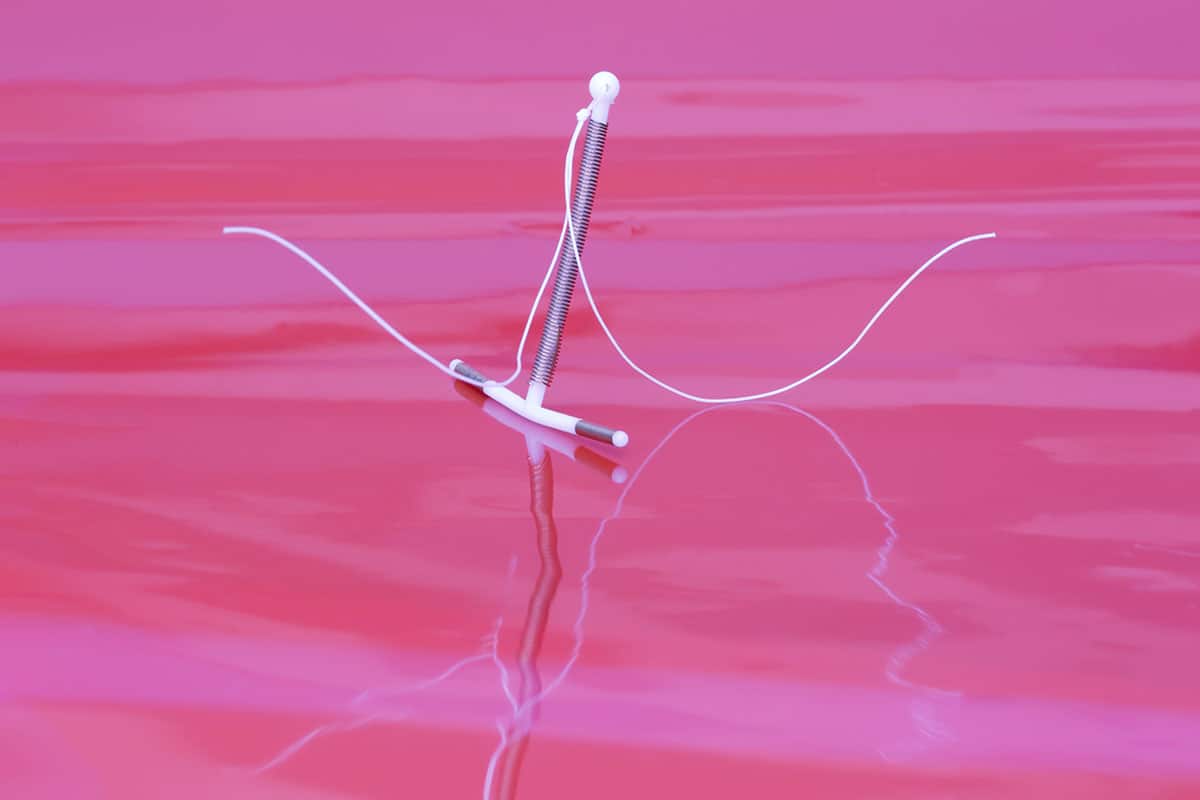
ParaGard is a copper IUD used for long-term birth control without hormones. Many women use it without serious problems, but complications can happen. Reports include difficult removal, device breakage, pieces left behind, IUD movement, and other injuries.
A complication can lead to more medical care than expected. Some patients may need another procedure, surgery, or follow-up treatment.
This guide explains reported ParaGard complications, problems that can happen during removal, and legal options that may be available after an injury.
What Is ParaGard?
ParaGard is a small, T-shaped IUD that uses copper to prevent pregnancy. Unlike hormonal IUDs, it does not release hormones.
The device has a plastic frame wrapped with copper wire. A healthcare provider places it inside the uterus, where it can remain for several years before removal.
The FDA regulates medical devices such as IUDs and provides safety information about their use.
Like any medical product, ParaGard has possible risks. Some women have reported complications that required additional medical care.
What Problems Have Been Reported With ParaGard?
Some reported problems involve the device itself or difficulties during removal.
These include:
- The IUD breaks during removal
- Pieces remaining inside the body
- Difficulty removing the device
- The IUD moving from its original position
- Injury to the uterus or nearby areas
If a device breaks, a patient may need another procedure to find and remove the remaining piece.
Federal ParaGard litigation includes claims involving device breakage during removal and injuries linked to broken pieces. These cases are part of multidistrict litigation in federal court.
A ParaGard complication may involve more than the original removal procedure. Some patients may need additional treatment or face ongoing symptoms and medical costs.
ParaGard Removal Complications
IUD removal is often a simple procedure, but it does not always go as planned. Problems may arise when the strings cannot be found, the device has become embedded, or the IUD does not come out easily. The device can also break during removal, leaving part of it behind.
A doctor may need to perform another procedure or surgery to remove a remaining piece or treat an injury.
Records from the removal, imaging tests, and follow-up care can help show what happened.
Can ParaGard Cause Uterine Perforation or Other Injuries?
Uterine perforation happens when an IUD passes through the wall of the uterus. It is an uncommon complication, but it can cause serious problems.
Treatment depends on the injury. Some patients may need additional medical care or surgery, particularly if nearby organs are affected.
The FDA also provides information about medical device safety and reporting device-related problems.
Common Injuries Linked to ParaGard Complications
|
Complication |
Possible Impact |
| Device breakage | Additional procedures to remove remaining pieces |
| Difficult removal | More medical treatment than expected |
| Retained fragments | Follow-up care and monitoring |
| Uterine injury | Pain, complications, or surgery |
| Device movement | Medical evaluation and possible removal |
The effects of a ParaGard complication can differ for each patient. Some women may recover quickly, while others may experience longer-term problems.
What Evidence May Support a ParaGard Injury Claim?
If you believe you were injured by ParaGard, your medical history can help show what happened.
Useful records may include:
- IUD placement and removal records
- Medical records
- Imaging reports
- Surgical records
- Medical bills
- Records of follow-up treatment
It can also help to keep track of your symptoms, procedures, and expenses after the complication.
Can You File a Lawsuit Over a ParaGard Injury?
Not every ParaGard complication results in a lawsuit. A potential claim depends on the facts of the case and the evidence available.
A medical device case may involve questions about whether the product was defective, whether it had adequate warnings, or whether a manufacturing problem played a role in the injury.
If you suffered serious harm, an attorney can review your medical records and other information to determine whether you may have a product liability claim.
What Compensation May Be Available?
If a claim is successful, compensation may depend on the losses caused by the injury.
Possible damages may include:
- Medical expenses
- Future treatment costs
- Lost income
- Pain and suffering
- Emotional distress
- Other costs related to the injury
The value of a claim depends on factors such as the severity of the injury, required treatment, and long-term effects.
Frequently Asked Questions
What are the most common ParaGard complications?
Reported ParaGard complications include difficult removal, device breakage, retained fragments, device movement, and injuries requiring additional medical care.
Can ParaGard break during removal?
Yes, some women have reported the device breaking during removal. In those situations, additional procedures may be needed to remove remaining pieces.
Do all ParaGard users qualify for a lawsuit?
No. A potential claim depends on the individual situation, including the injury suffered, medical records, and other evidence.
What should I do if I have a ParaGard complication?
Keep your medical records, follow your doctor’s treatment plan, and document any symptoms, procedures, and expenses related to the issue.
Are ParaGard lawsuits still active?
Yes. ParaGard-related lawsuits are ongoing in federal court as part of multidistrict litigation involving claims about device breakage and related injuries.
Talk to Our Attorney About a ParaGard Injury
A medical device complication can create unexpected medical costs, stress, and uncertainty about what to do next.
If you believe you suffered an injury connected to ParaGard, our attorneys can review the details of your situation and explain your possible legal options.
Contact Allan Berger & Associates, P.L.C. to discuss your potential claim.