BACK
Not every car accident has witnesses. You may be on a quiet road, in a parking lot, or driving at a time when no one else is nearby. When the other driver gives a different account, it can seem like there is no way to prove what really happened.
But a witness is not required to support a car accident claim. Photos, vehicle damage, skid marks, traffic signals, video footage, police reports, and other evidence can help show how the crash happened.
This guide explains what evidence can help when no one saw the accident and how fault may be determined from the available facts.
The Standard Is Preponderance of the Evidence
Louisiana does not require you to prove a car accident with absolute certainty. The evidence only needs to show that the other driver was more likely than not responsible for the crash.
This can be based on the facts surrounding the accident and how those facts fit together. The court may consider what each driver says, the damage to the vehicles, where the cars ended up, and other records from the scene.
A lack of witnesses does not leave the court with nothing to consider.
What Evidence Can Help Without Witnesses?
When no one saw the crash, investigators could look at the evidence left behind.
|
Evidence |
What it can show |
| Vehicle damage | Point of impact and direction of the collision |
| Skid marks and road damage | Braking and vehicle movement |
| Vehicle data | Speed, braking, and other actions before the crash |
| Traffic or business cameras | How the crash happened, if footage is available |
| Cell phone records | Possible phone use around the time of the crash |
| Police crash report | The officer’s observations and findings |
| Photos and debris | Where the vehicles and impact occurred |
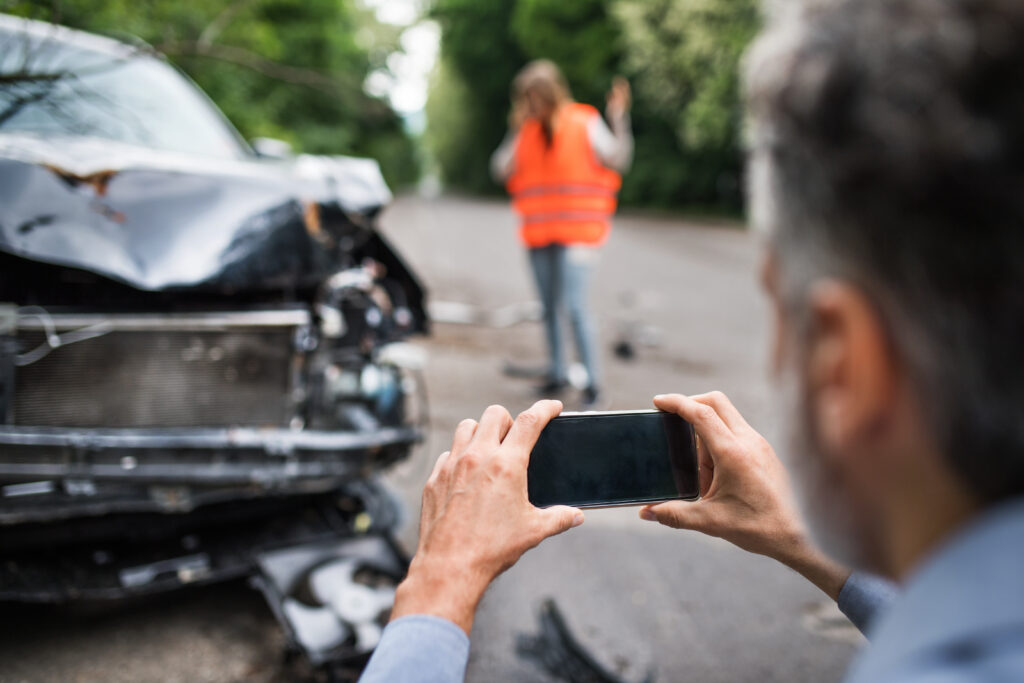
Some evidence may not be available for long. Traffic footage can be overwritten, and other records may become harder to obtain later. Saving what is available soon after the crash can make a difference.
Physical Evidence and Data Can Help Show What Happened
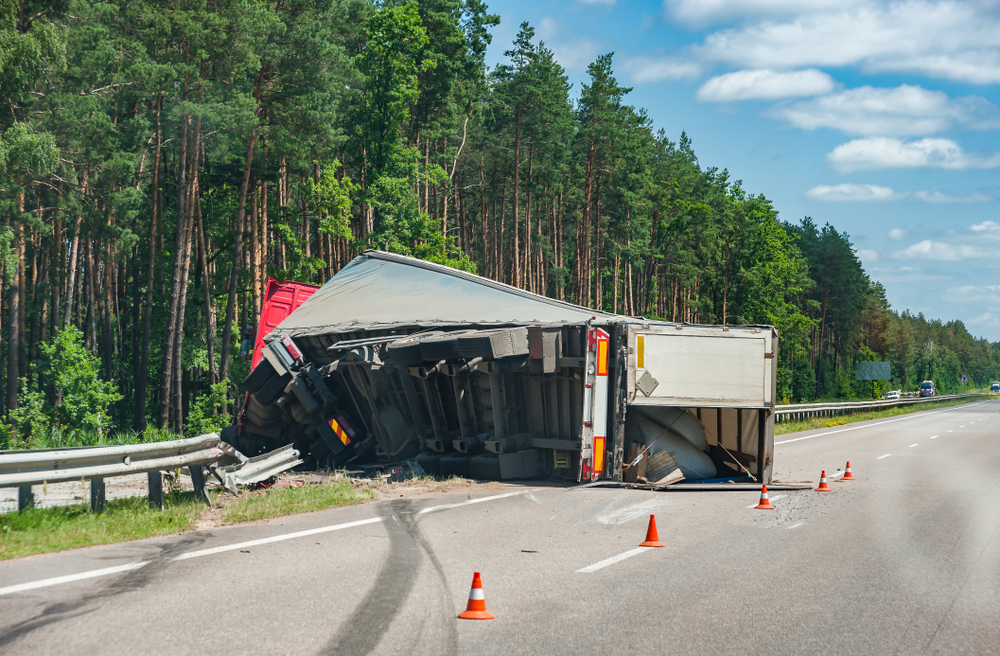
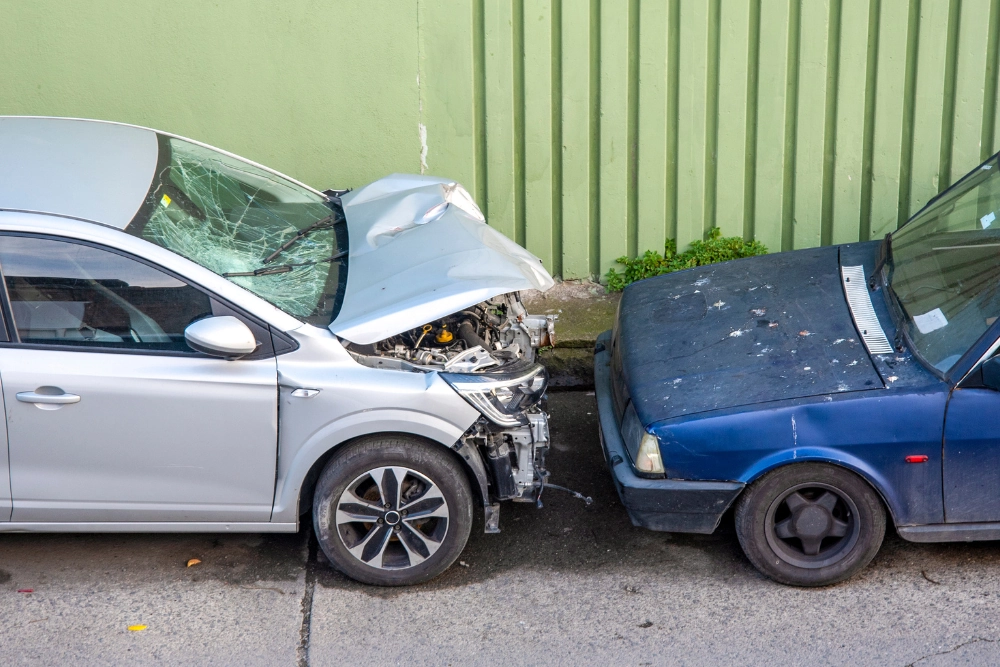
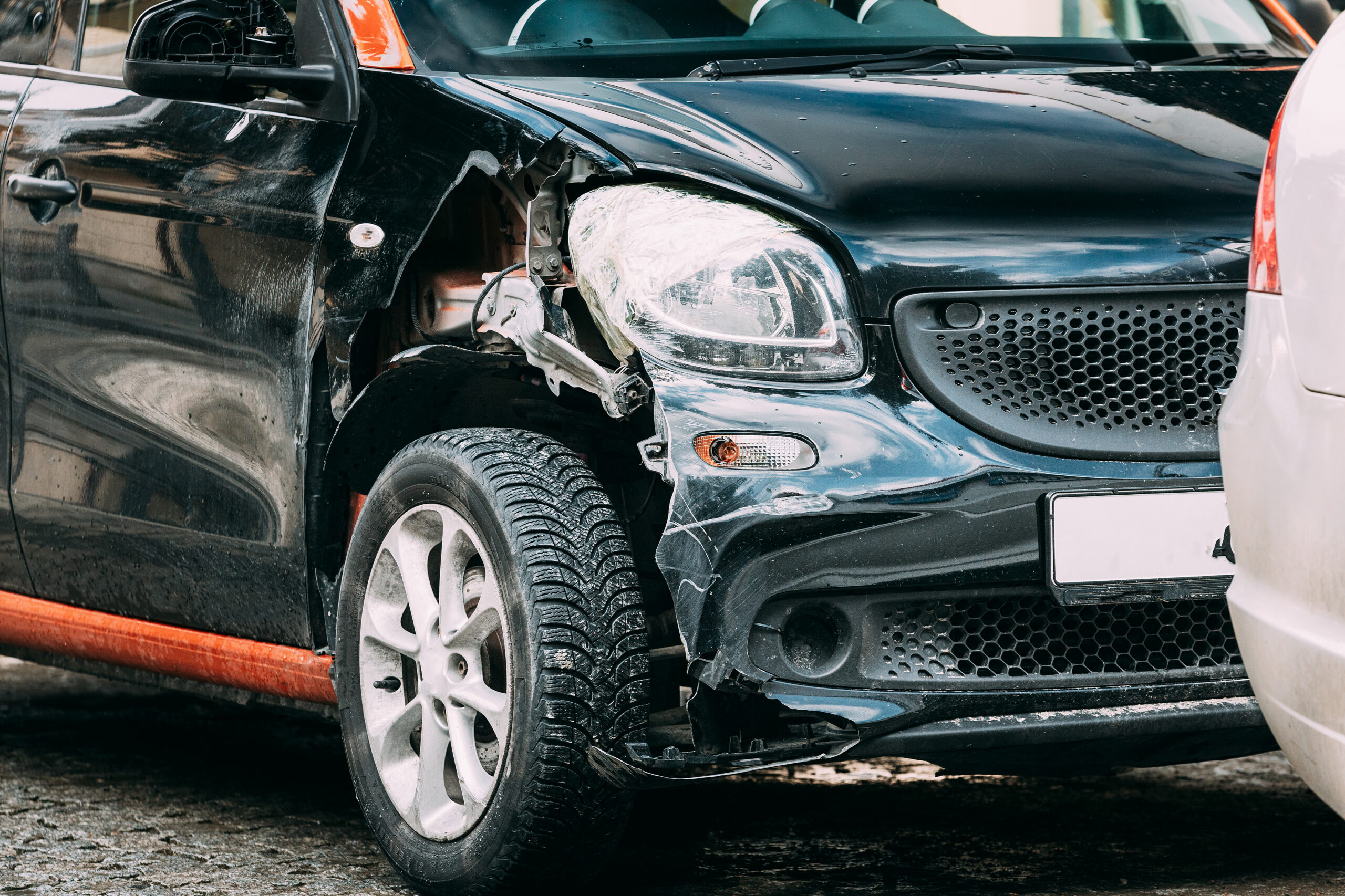
When there are no witnesses, the vehicles and crash scene can provide important clues. Damage to the cars, skid marks, debris, and where the vehicles stopped can help show how the collision happened.
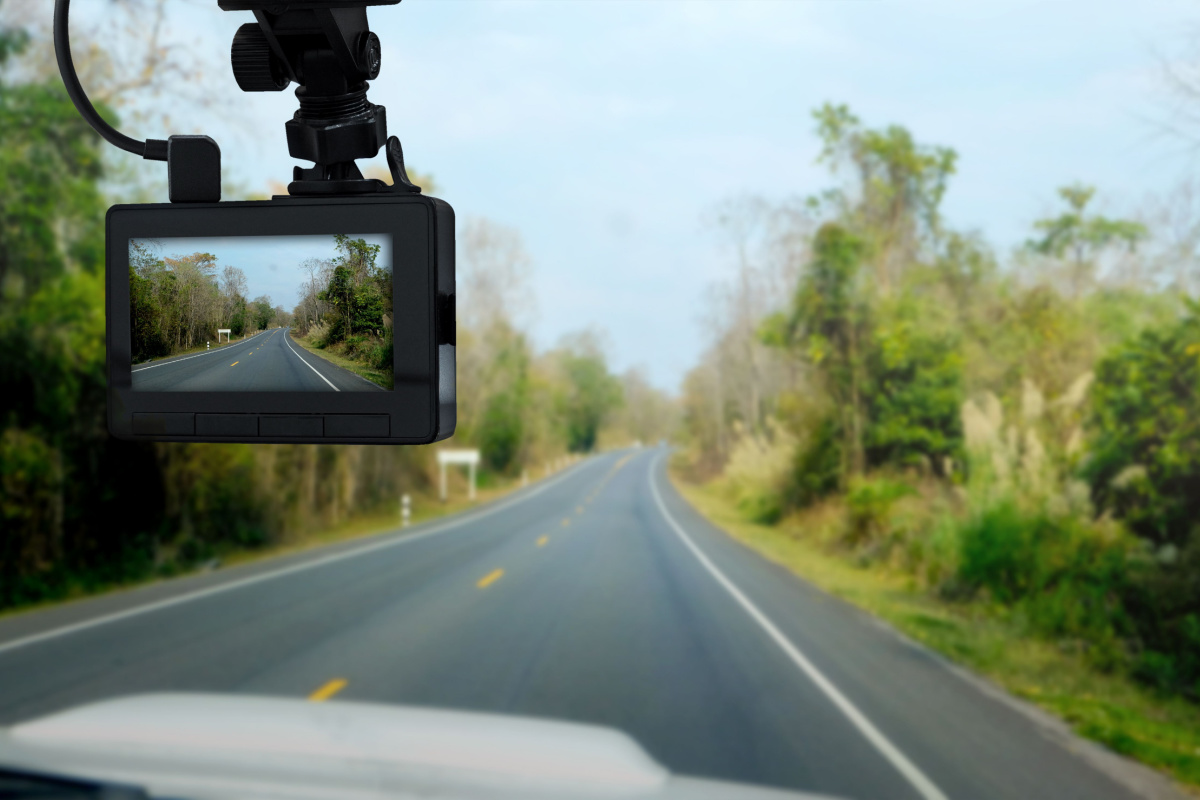
Vehicle data may also provide information about speed, braking, and other actions before the crash. Traffic or business cameras can be useful when footage is available.
This evidence does not last forever. Cars may be repaired, damaged parts may be removed, and camera footage may be overwritten. Getting photos, video, and other records early can help preserve what happened.
The Fault Rules Still Apply
Not having a witness does not change how Louisiana decides fault. The evidence still has to show how much responsibility each person had for the crash.
For a 2026 accident, being 51% or more at fault generally means you cannot recover damages. If your share is 50% or less, your damages are reduced by that percentage.
For older accidents, the previous pure comparative fault rule generally applies.
Frequently Asked Questions
Is it just my word against the other driver’s?
Not necessarily. Photos, vehicle damage, traffic footage, police records, and other evidence may help show what happened.
The other driver is lying about what happened. How do I counter that?
Look for evidence that tells a different story. Photos, vehicle data, video, and damage to the cars can help challenge an account that does not match the facts.
How fast do I need to act to preserve evidence?
As soon as possible. A vehicle may be repaired, and camera footage may not be kept for long. Important records can become harder to get with time.
Does the police report settle fault?
No. A police report can be useful, but it is only one piece of evidence. Other evidence may support or challenge what the report says.
Conclusion
A crash without witnesses can still be investigated through the evidence left behind. Vehicle damage, photos, video, records, and other information may help establish what happened and who was responsible.
If you are dealing with a disputed accident and no one witnessed the crash, our attorneys at Allan Berger & Associates can review the evidence and help you understand your options. The firm handles New Orleans car accident claims and offers free case reviews.
Sources
- Justia – Louisiana Civil Code art. 2323, Comparative fault
- Louisiana State Legislature – Acts 2025, No. 15 (HB 431), modified comparative fault
- Justia – Louisiana Civil Code art. 3493.1, Delictual actions; two-year prescription